
The Living Presence of Sculpture
How Form, Material, and Space Shape the Language of Art.
The Origins of Sculpture as Sacred Form
Sculpture is one of humanity’s oldest artistic practices, rooted in the desire to give tangible form to the intangible. From prehistoric figurines carved in stone or ivory to towering statues that adorned temples and sacred spaces, sculpture began as both ritual and representation. The Venus of Willendorf, for example, is not only a small figurine but a symbol of fertility, embodying belief and reverence. Ancient civilizations expanded the practice, crafting monumental works like the Great Sphinx of Giza or the statues of classical Greece, where gods and heroes were immortalized in marble. Sculpture became a way to bring myth, divinity, and human ideals into physical presence, grounding abstract ideas in enduring material.
Sculpture as an Encounter with Space
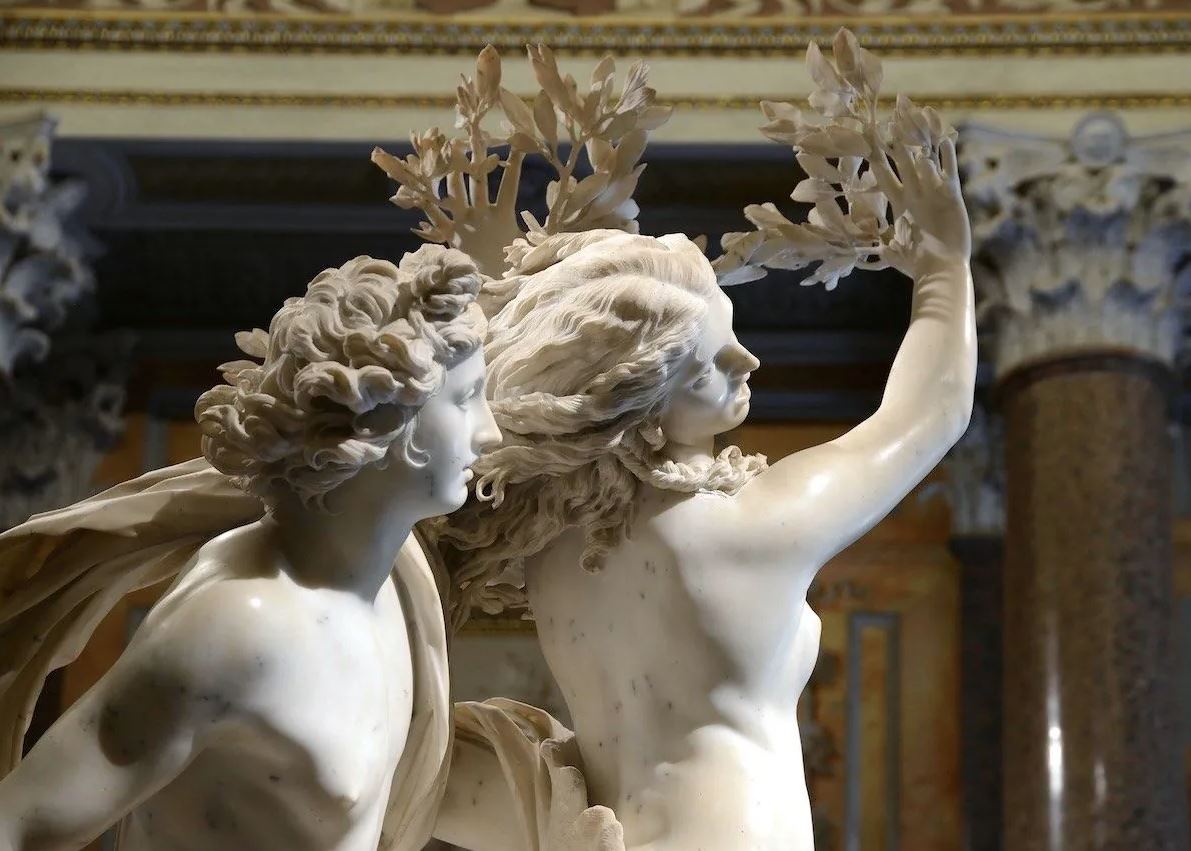
Unlike painting, which often creates illusion on a flat surface, sculpture exists in the same physical space as the viewer. It is an art of encounter, demanding movement, touch, and embodied perception. Walking around a sculpture reveals changing perspectives, shifting proportions, and unexpected details. This physicality makes sculpture an immersive experience. A bust invites contemplation of human likeness, while an abstract installation may challenge perceptions of balance or gravity. By engaging not only the eyes but also the body, sculpture blurs the line between art and environment. It insists that art is not distant but present, inhabiting the same world as the observer.
The Evolution of Materials and Techniques
Throughout history, the materials of sculpture have reflected both technological possibilities and cultural values. Marble and bronze defined the classical world, prized for their durability and beauty. In Asia, wood and clay were central, linking sculpture to nature and ritual. During the Middle Ages, religious carvings adorned cathedrals, merging stone with faith. The modern era saw artists breaking away from traditional materials, experimenting with steel, glass, plastics, and even found objects. Techniques also evolved, from chiseling and casting to welding and assemblage. Today, sculpture incorporates digital modeling and 3D printing, expanding possibilities for both form and scale. Each material and method carries symbolic weight, shaping how the viewer experiences the work.
Sculpture as a Reflection of Society
Sculpture has always been more than aesthetic. It is a reflection of social, political, and cultural identity. Statues of rulers and monuments to historical events mark collective memory in stone and metal. Public sculptures define cityscapes, becoming symbols of civic pride or controversy. In times of revolution, sculpture has often been a site of contestation, with monuments toppled or reclaimed to reflect shifting values. Contemporary artists use sculpture to critique consumerism, inequality, and environmental destruction, transforming form into a voice of resistance. By embodying both permanence and fragility, sculpture holds a unique position in capturing the complexities of human society.
The Dialogue Between Tradition and Innovation
One of sculpture’s enduring qualities is its ability to balance tradition with innovation. While classical techniques remain studied and practiced, artists continually expand the boundaries of what sculpture can be. The clean lines of modernist abstraction gave way to conceptual installations that questioned the very definition of art. Kinetic sculptures added motion, while interactive works invited audiences to become participants rather than passive observers. The dialogue between ancient mastery and contemporary experimentation ensures that sculpture is never static. Each generation inherits techniques from the past while reshaping them for the present, creating an ongoing conversation between permanence and change.
The Intimacy of Scale in Sculpture
Scale is central to how sculpture communicates. Monumental works inspire awe, asserting power or reverence by their sheer size. The towering figures of Easter Island, for instance, dominate their landscapes, instilling a sense of mystery and grandeur. Yet intimate sculptures, small enough to fit in the palm of a hand, invite personal reflection. The scale of a work determines its relationship to the viewer, whether it seeks to overwhelm or to comfort. Contemporary artists often play with scale deliberately, enlarging everyday objects into massive forms or miniaturizing monumental ideas to provoke thought. In this way, scale becomes as expressive as form itself.
Sculpture in the Digital Age
The digital age has opened new horizons for sculpture. 3D printing allows artists to create intricate designs impossible with traditional tools. Virtual and augmented reality enable sculptures to exist in digital spaces, accessible to audiences across the globe without physical limits. Interactive installations use sensors and projections to respond to viewers, making sculpture dynamic and participatory. While some worry that these technologies distance sculpture from its material roots, others argue that they expand its possibilities, continuing the tradition of innovation that has always defined the art. The essence remains unchanged: sculpture is about presence, whether physical or virtual, and about the dialogue between form, space, and viewer.
Sculpture as Enduring Dialogue
Sculpture remains one of the most profound forms of human expression, bridging past and present, tradition and innovation. It transforms raw material into vision, filling space with meaning and presence. Whether monumental or intimate, classical or experimental, sculpture invites encounter. It reflects society, preserves memory, and challenges perception. In every carved line or cast form lies the human desire to make ideas tangible, to give shape to imagination. Sculpture will continue to evolve with materials, technologies, and cultural shifts, but its essence endures: it is art that shares our world, reminding us that form itself is alive with meaning.