
The Endless Horizons of Painting
How Color, Form, and Vision Continue to Define the Human Spirit.
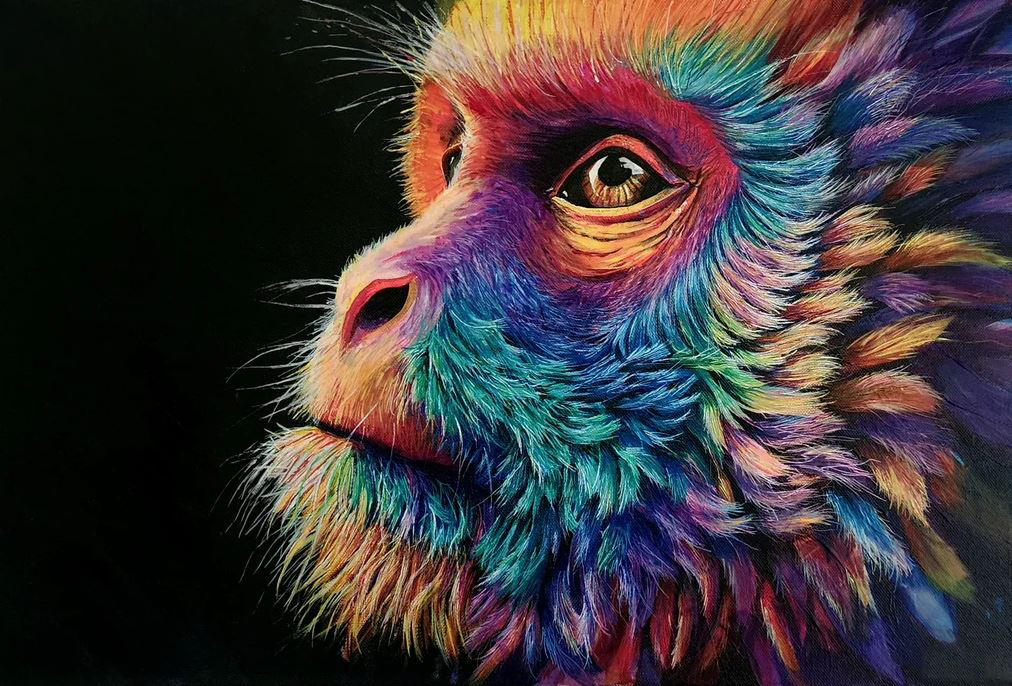
Painting as the First Window of Imagination
Painting is among the oldest and most enduring of all artistic practices, tracing back tens of thousands of years to the walls of prehistoric caves. Those earliest pigments, made from earth and ash, were not simply decorative but acts of communication and memory. They told stories of the hunt, honored rituals, and preserved experiences for generations yet unborn. Over time, painting evolved into a sophisticated medium capable of capturing not only the outer world but also the inner landscape of human imagination. The brush, whether dipped in ochre or oil, became a tool for expanding vision. Each new era in painting has represented a dialogue between artists and their societies, with every canvas acting as both a reflection of reality and a projection of possibility.
The Transformation of Techniques Through History
The history of painting is one of innovation, adaptation, and reinvention. Ancient Egyptian frescoes emphasized order and symbolism, prioritizing meaning over realism. The Renaissance introduced perspective and mastery of light, creating depth that made painted scenes feel alive. The invention of oil paints allowed for richer colors and greater flexibility, fueling the dramatic contrasts of Baroque and the subtle harmonies of Dutch realism. Later, Impressionists broke from rigid forms, capturing the fleeting effects of light and atmosphere with rapid brushstrokes. The twentieth century shattered expectations altogether, as Cubists, Abstract Expressionists, and Surrealists redefined what a painting could be. Each shift in technique was not just aesthetic but philosophical, reflecting deeper questions about truth, beauty, and perception.
Painting as Emotion and Expression
One of painting’s greatest powers lies in its ability to distill emotion into form and color. A single brushstroke can convey urgency, serenity, or despair. Painters harness the properties of line, texture, and hue to communicate feelings that often defy language. Vincent van Gogh’s swirling skies, for instance, are not mere depictions of nature but reflections of the turbulence of the human soul. Abstract painters such as Mark Rothko or Jackson Pollock demonstrated that emotion can be expressed without recognizable forms, using fields of color or gestural energy to draw viewers into states of contemplation or intensity. Painting’s capacity for emotion makes it a universal art, transcending language and culture to connect directly with human feeling.
The Relationship Between Painting and Society
Painting has always carried social significance, reflecting the concerns, values, and tensions of its time. Religious art conveyed devotion and doctrine, shaping collective belief through visual storytelling. Portraits of rulers and elites symbolized power and prestige, embedding authority into public memory. Revolutionary art, from political murals to protest paintings, challenged systems of oppression and inspired change. In modern and contemporary contexts, painting continues to grapple with identity, justice, and cultural critique. Works by Frida Kahlo, for instance, explored gender, pain, and national identity, while street art often brings urgent messages into public spaces. Painting does not exist apart from society but as part of its evolving dialogue.
Painting as a Universal yet Personal Experience
Though painting is often displayed in galleries and museums, its impact is deeply personal. Each viewer brings their own memories and emotions to an encounter with a painting, shaping interpretation in ways unique to the individual. The universality of painting lies in its accessibility: even without formal training, a person can feel the warmth of a color palette, the intensity of a composition, or the calm of a balanced scene. At the same time, personal experiences make each interpretation distinct, ensuring that no painting has only one meaning. In this way, painting achieves the rare feat of being both universal and intimate, inviting both shared appreciation and private reflection.
The Expansion of Painting in Contemporary Times
In the contemporary world, painting has expanded beyond canvas and brush into new mediums and hybrid forms. Artists experiment with unconventional materials such as sand, fabric, or even digital projections layered onto traditional surfaces. Large-scale installations integrate painting into immersive experiences, transforming entire rooms into painted environments. Digital painting, aided by software and tablets, allows for infinite experimentation with form, color, and technique while also enabling collaboration across global networks. Despite these innovations, traditional painting continues to thrive, reminding us of its tactile and human qualities. The coexistence of tradition and innovation demonstrates painting’s vitality in the twenty-first century.
The Future of Painting in a Changing World
The future of painting will likely be shaped by the same forces that have always guided its evolution: curiosity, technology, and the human need for expression. As societies grapple with rapid change, painting remains a grounding force, offering both continuity with the past and innovation for the future. Climate change, social upheaval, and digital transformation will all influence the themes and forms of future works. Yet at its heart, painting will remain what it has always been: a space where imagination takes visible form. As long as human beings seek to capture beauty, explore meaning, and share vision, painting will endure as a cornerstone of creative life.
Painting as Timeless Dialogue
Painting is not merely an art form but a timeless dialogue between artist, society, and viewer. It reflects the past, engages the present, and projects visions of the future. It can be monumental or intimate, realistic or abstract, traditional or experimental. What unites all painting is its capacity to give form to the unseen and permanence to the fleeting. In every brushstroke lies the human desire to connect, to remember, and to imagine. Painting continues to affirm that while materials and techniques may change, the impulse to create beauty and meaning remains one of the most enduring aspects of human identity.